
 021-9576166

021-9576166
Planning essay structure
I'm thinking I should present a short essay with sections like Origins, Franco era, Symbols & identity, Key flashpoints, Globalization, Modern-day politics, and Conclusion. I’ll use simplified Chinese for this. There’s no need for shell execution or additional tools; I’ll stick to our consistent style. Maybe I should also clarify with the user about their preferences on length and angle if they want a longer article. I can aim for a compact analysis of around 500-700 words while keeping the formatting simple with headers.Crafting content structure
I’m planning to craft content that explores El Clásico beyond just sports, focusing on centralist power versus Catalan identity. The origins section will cover their first meeting in 1902 and the socio-economic context of the early decades. I want to mention that the "Real" title was given by Alfonso XIII in 1920 and that Barcelona was founded by Joan Gamper. The dictatorship section will discuss Franco’s suppression of Catalan identity from 1939 to 1975, portraying Barcelona as a refuge for Catalanism, and include details about the intimidating 11-1 Copa del Generalísimo match in 1943.Discussing content elements
There’s a debate to be had regarding the alleged pressure from the director of State Security. I want to cover Di Stéfano's transfer saga in 1953, which involved both Barça and River Plate/Millonarios, ultimately leading to his move to Real Madrid — this event became emblematic of larger issues. I’ll note Madrid's European Cup victories as propaganda for the regime, while Barça also had domestic success during the 1950s, which adds nuance. The section on symbols encompasses phrases like "Mes que un club," the senyera, and the whistles during Copa finals. I’ll mention Figo’s controversial transfer in the 2000s, the media's portrayal of referee bias, and the centralism associated with institutions in Madrid. Events like the 2017 independence referendum, the booing of Pique, and economic ties to elites will round out the content.Examining sponsorship and state influence
I’m looking into the sponsorship ties of Barça, specifically with the Qatar Foundation and Rakuten, versus Real Madrid's sponsorships with Emirates and Teka. I need to highlight the state's role in these dynamics, referencing the 2001 land deal Real Madrid had with the Ayuntamiento, which raised state aid allegations. The EU investigated claims of illegal state aid involving several clubs. By 2016, they ruled that certain tax privileges were illegal while also addressing the Real Madrid land deal needing repayment of about 18.4 million euros. I have to clarify the annulments and legal decisions that followed.Navigating complexities in narrative

This topic is complex, so it's better to refer to "EU scrutiny" without going into specifics. I want to highlight how the politics around fans play out, especially when Catalan independence marches coincide with El Clásico, like during the "Tsunami Democratic" events in 2019 that aimed to disrupt the match, leading to its rescheduling. I’ll touch on the contemporary situation with the Super League, where Real Madrid and Barça align despite their rivalry. In conclusion, I need to be cautious about the narrative, acknowledging how past politics shape the present and the contrast of global branding with historical roots. Let's keep this concise as we craft the content!
以下从历史、符号与关键事件,梳理“皇马 vs 巴萨”如何从竞技对抗,延展为带有深厚政治意涵的长期博弈。
起点与底色:皇马(获国王赐名“Real”,王冠标识直连王室与国家)的首都属性,与巴萨(诞生于多语多元的港口商业城市,加泰文化与市民社团传统浓厚)的城市气质相反。自20世纪初对垒开始,城市认同与权力地理就为对立埋下伏笔。
独裁时期的叠影(1939–1975):佛朗哥政权压制加泰语言与象征,诺坎普成为加泰身份的相对“安全空间”;巴萨“多于一家俱乐部”的口号即源于此。此时围绕两队的若干事件被长期政治化解读:
符号政治:皇马的王冠队徽、首都象征与国家统一叙事相契合;巴萨的加泰旗(Senyera)、加泰语口号与球场内集体呐喊构成“文化自治”的舞台。国歌嘘声、国旗与横幅之争,反复在国王杯决赛与国家仪式场合上演。
关键“裂痕时刻”:
媒体与叙事结构:西语媒体生态长期在马德里/巴塞分区,议题设置与裁判争议容易被吸入“中心 vs 边缘”的叙事回路,放大彼此的受害者与加害者想象。
全球化的反讽:进入21世纪,两队在商业化上高度同构(会员制背后的企业化运营、全球赞助、品牌出海),在欧超联赛等议题上甚至并肩同阵。国家德比既是“民族—地域”的象征战争,也是全球注意力经济的超级IP。
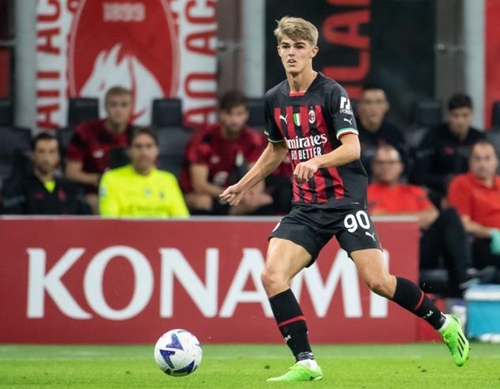
今日的张力与边界:
一句话收束:皇马与巴萨的世仇,不是简单的“中央对地方”,而是在西班牙百年政治、文化与经济变迁中的镜面关系——既彼此对立、互为他者,也相互成就、共同把一场足球对抗塑造成全球最具政治隐喻的体育叙事之一。
如果你需要,我可以把这篇扩展为一篇2000–3000字的深度长文,并配时间线与关键战例(如1943年、1953年、2000年、2017年、2019年)逐一解析。
021-9576166 扫描二维码
扫描二维码